
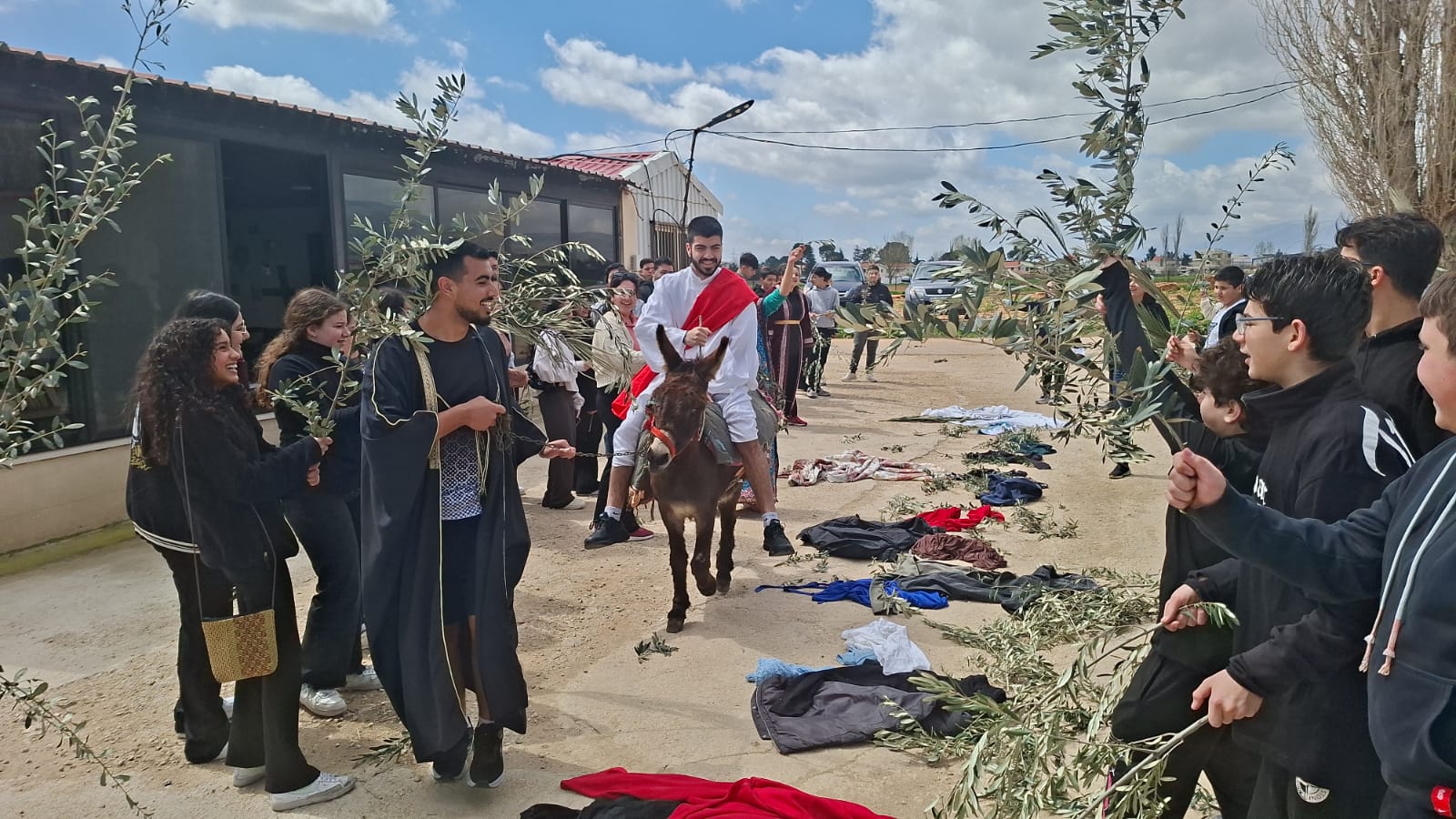
War changes the rhythm of everyday life. It brings confusion and questions without easy answers, and joy can feel out of place. And yet, this Easter, we saw youth pause, and even rejoice, in a life that no aircraft, missile, or artillery can extinguish. And it’s not because the war had stopped. We invite you to read about our Easter events.
School Ministry
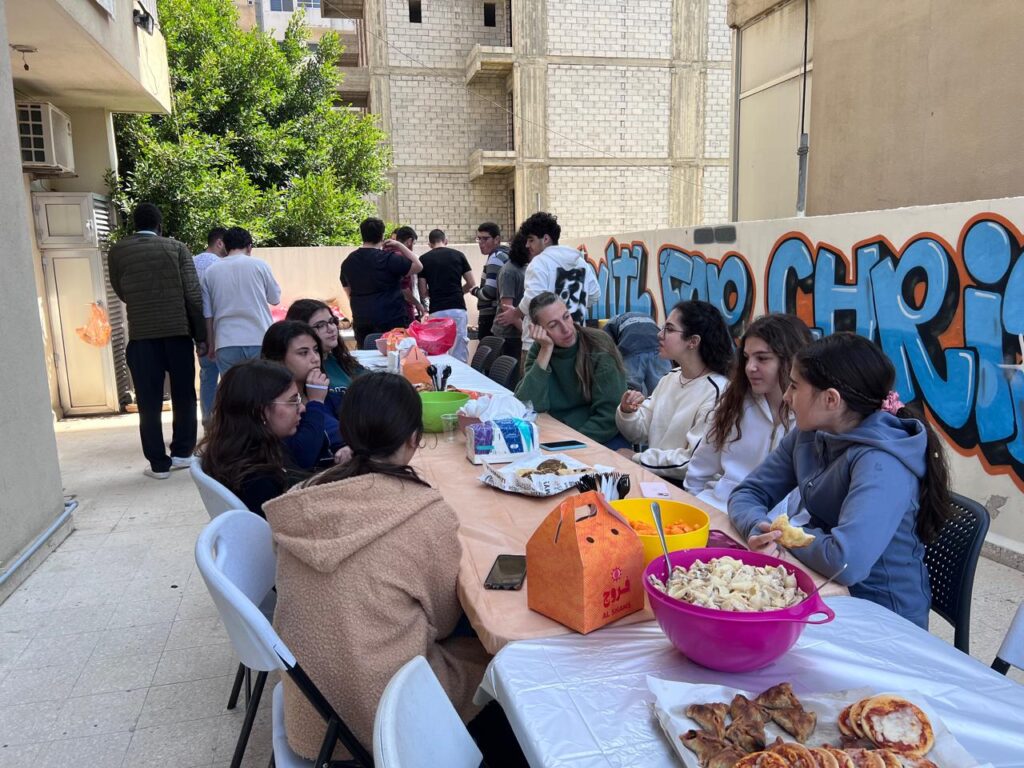
The Easter journey began with the School Ministry discipleship groups, where girls’ and boys’ groups gathered for a potluck-style lunch on March 28.
Each youth contributed food, creating a shared table that reflected fellowship and unity. The boys took the initiative to prepare and grill Lebanese barbecue, serving one another in practical ways.
After the meal, the youth entered into a guided reflection on the story of the cross. Together with youth workers, they walked through Palm Sunday, Jesus’ death, and His resurrection, leading into His call to discipleship: to go and make disciples.
What made the moment meaningful was the participation of the youth themselves. They stepped into the storytelling, engaging with the narrative in a personal and reflective way.
The gathering ended simply, with youth helping to clean up. Many expressed a desire for more moments like this, where fellowship and faith come together naturally.
AXIS Youth Center
At AXIS Youth Center, youth took part in an eight-hour immersive Easter experience designed to bring them through the story of Jesus tangibly and interactively.
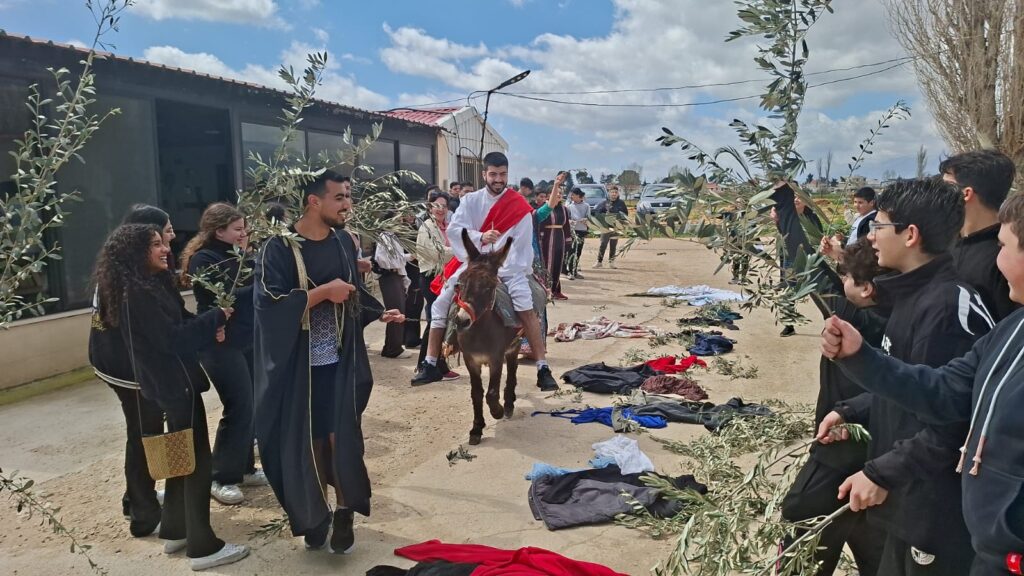
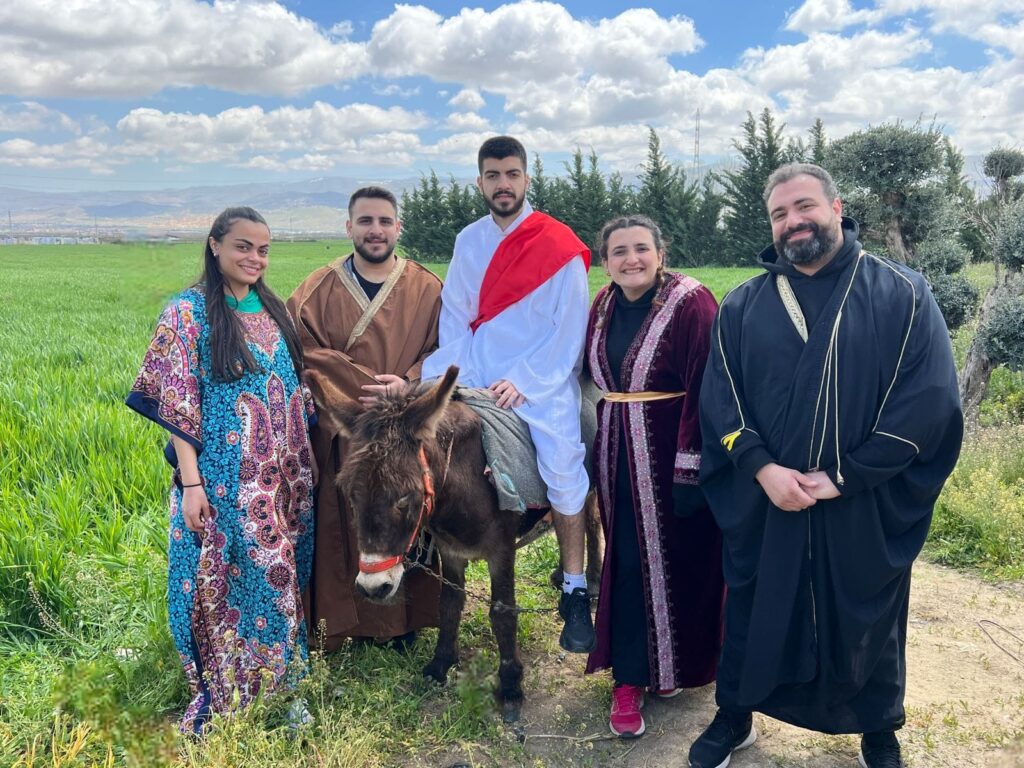
The day began with a Palm Sunday procession. A youth worker portraying Jesus entered riding a real donkey, while the youth followed, shouting “Hosanna in the Highest.” In a context shaped by ongoing war and instability, this moment created a rare sense of joy and collective participation.One of the most impactful moments followed: the washing of feet.
This simple act became unexpectedly emotional. Several youth were moved to tears. Some were initially hesitant or embarrassed, but gradually, something shifted.
Leaders washed the feet of the youth while praying over them, after first explaining the meaning behind the act. One youth reflected, “It’s incredible how Jesus did this. He accepted us in our filth. He taught us to serve one another and be humble.”
The rest of the day was packed with activities and concluded with a symbolic planting, where youth planted seeds in pots to take home, representing the waiting in silence between the crucifixion and the resurrection, reinforcing the message that death is not the end of the story.
MYC and VTP
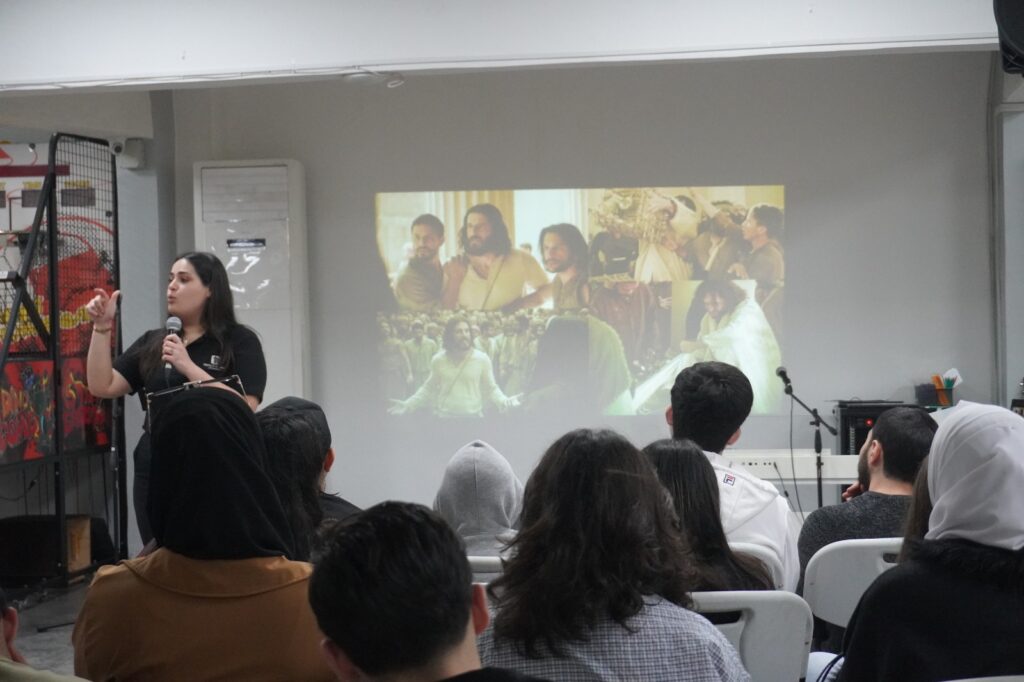
MYC and VTP also gathered youth for a joint Easter event that combined recreation with reflection.
A central teaching focused on the theme of choices. Youth were reminded that life is shaped by both small and significant decisions, and that each choice carries consequences. The easy path may bring immediate comfort but later regret, while the harder path often produces lasting fruit.
This theme was then connected to Christ, who chose to enter the world intentionally, not only to reconcile humanity to God, but also to walk among us, fully sharing in human experience as our High Priest
The message led to a central invitation: the greatest choice one can make is to receive Christ as Lord and Savior
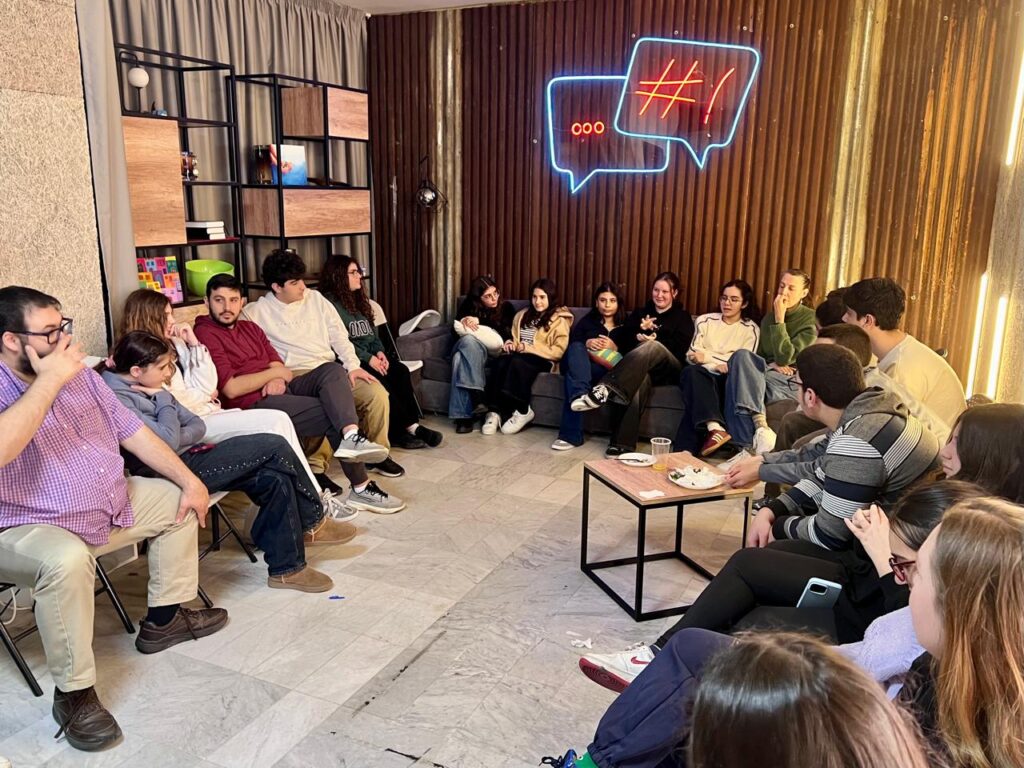
A panel discussion followed, where mostly youth from a majority-religion background asked open and honest questions about the Trinity, personal suffering, and the cost of following Christ from a different religious background.
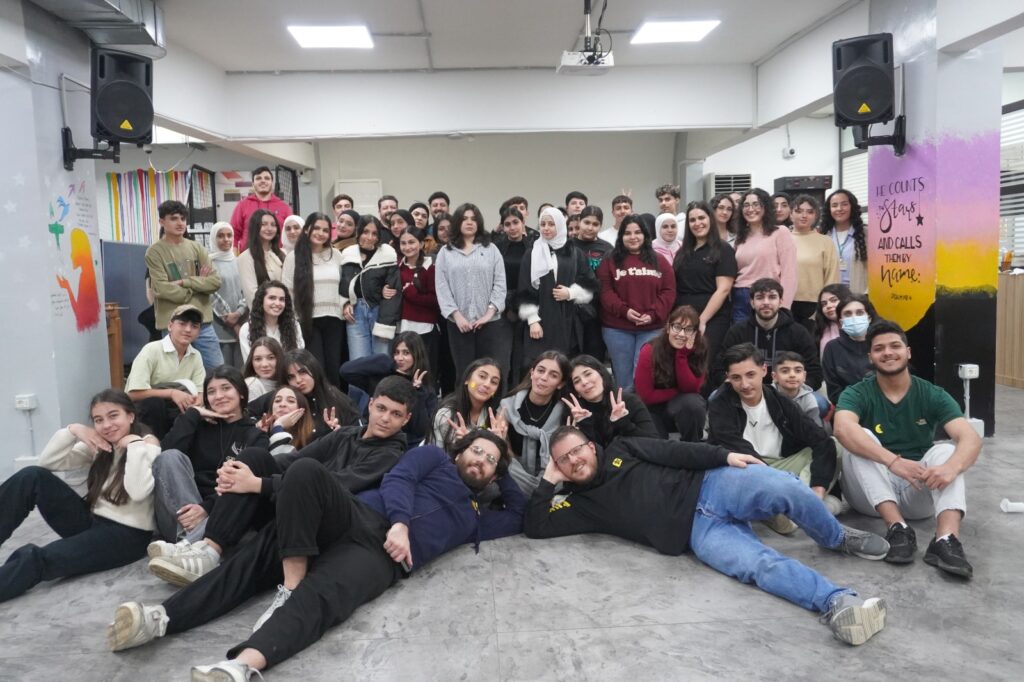
Across all three gatherings, one thread quietly held everything together: the resurrection is not an explanation that removes human suffering, but a declaration that suffering does not have the final word.
In Lebanon’s current reality, that claim does not erase confusion or pain. But it helps youth understand that betrayal, violence, and even death are not ultimate.